Home Author
Author

Harry Murphy

Advertisement

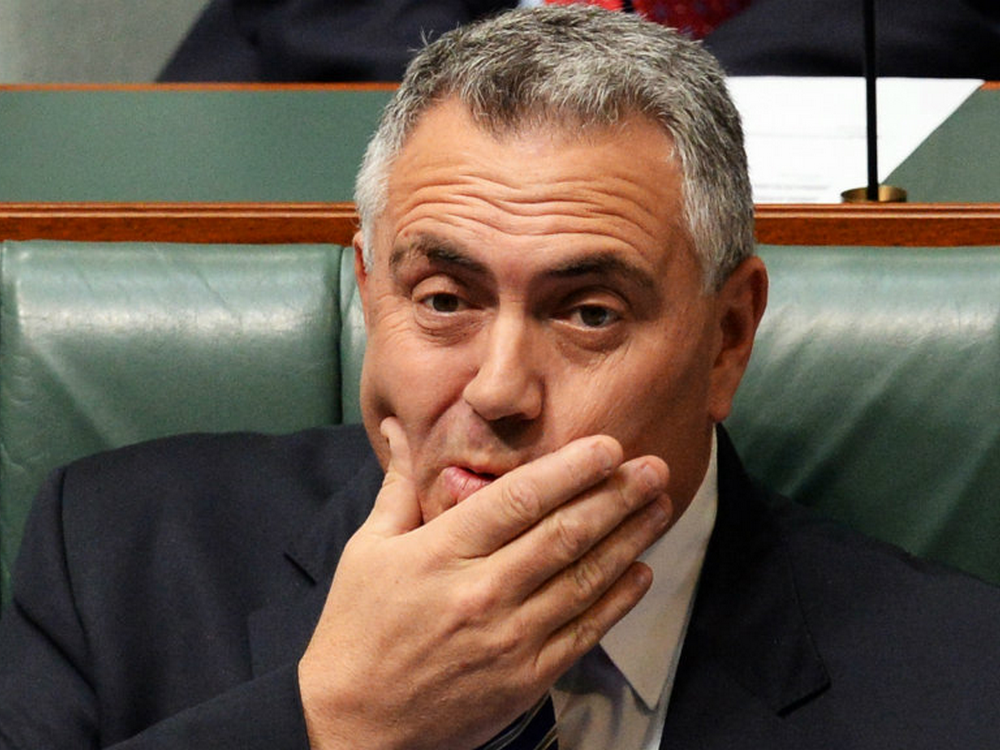
Former Coalition Treasurer Joe Hockey has declared the unprecedented collapse of Australia’s major political parties “completely predictable,” as a bombshell new poll puts One Nation at the top of the leader board.

According to a stunning Redbridge/Accent poll, Pauline Hanson’s One Nation has surged to 31 per cent, leaving Labor trailing at 28 per cent and the Coalition languishing at just 20 per cent.

Speaking to Sky News, Hockey said everyday Aussies are absolutely fed up with the political establishment in Canberra.

“It’s pretty predictable—there’s a lot of anger in the community,” Hockey said. “People don’t want the status quo; they don’t want the same old behaviour from political leaders; they want change.”

Tax reforms backfire on Labor

The poll results are a massive blow for Prime Minister Anthony Albanese. Even after launching controversial changes to negative gearing and capital gains tax (CGT) concessions to win over voters, Labor actually dropped three points post-budget.

Treasurer Jim Chalmers’ new budget binned the traditional 50 per cent CGT discount, replacing it with an inflation-adjusted model capped at a minimum 30 per cent tax rate.

Hockey warned this new tax bite is a disaster for Australia’s economy, threatening to drive homegrown Aussie startups straight into the arms of global rivals like Singapore and New Zealand. Just recently, NZ Finance Minister Nicola Willis went on a charm offensive, pitching New Zealand as a “great place to do business” with zero tax on capital gains.

“If you’re risking your time, effort, and money to start a business, and you end up giving half of your success to the government, you’re going to look at other options,” Hockey warned.


Pages: 1 2

Advertisement

Prime Minister Anthony Albanese is facing a proper roasting from the Coalition after fresh analysis revealed he raked in more than $200,000 using the exact same capital gains tax (CGT) loopholes his government is trying to scrap for future generations.

Talk about a golden handshake. While Labor is busy telling everyday Aussies that the current tax system is “unfair” and needs an overhaul, the PM has been quietly laughing all the way to the bank, saving a cool $209,427 thanks to the Howard-era 50% CGT discount. Under Labor’s proposed new rules, that discount is getting the chop and being replaced by a complex indexed model.

Albo’s Property Goldmine

The Coalition crunched the numbers on the PM’s personal property portfolio between 2012 and 2022, and it turns out Albo knows exactly how to play the Great Australian Dream:

  • The Marrickville smash hit: Bought for $1.12 million in 2012, sold in 2021 for $2.35 million. That’s a tidy $1.2 million capital gain.

  • The Dulwich Hill earner: An investment property copped for $1.18 million in 2015 and flipped in 2024 for $1.75 million—pocketing $575,000.

  • The Canberra unit: Snagged way back in 1996 for just $162,000 and sold in 2022 for $662,500. A cool $500,500 profit.

“Denying younger Aussies a fair go” Opposition Leader Angus Taylor didn’t hold back, calling the findings a textbook case of rank hypocrisy. “Many Australians, including those in Labor, got ahead because this country once rewarded aspiration, investment and hard work,” Taylor said. “Now Labor is pulling the ladder up behind them and denying younger Australians those same opportunities.”

Pages: 1 2

Advertisement

Matt Comyn is right back in the thick of the global power play — and this time, he’s ruffling feathers far beyond the trading floor.

The Commonwealth Bank (CBA) chief executive has just thrown a massive cat among the pigeons in Australia’s corporate landscape. Speaking at CBA’s high-stakes Accelerate AI conference in Sydney, where he shared the stage with OpenAI’s Sam Altman, Comyn did what few corporate titans dare to do: he looked the workforce dead in the eye and refused to offer false reassurance about the future of their jobs.

“Pretending every role can be preserved would not be fair. Pretending otherwise does not protect workers — it only ensures they are surprised later.”
— Matt Comyn, CBA CEO

While most CEOs are still hiding behind vague PR fluff about “technological synergy,” Comyn is playing a much sharper game. He has openly warned that AI will inevitably lead to smaller teams and job losses across the entire Australian economy.

Pages: 1 2

Advertisement

Sarah Ferguson is once again at the centre of public attention as questions grow over where she will live next and how she plans to rebuild her life after a fresh wave of royal fallout. Reports say the former Duchess of York has been weighing her options overseas while the deadline to leave Royal Lodge approaches, with sources suggesting she is looking for a way to move forward independently and away from the constant pressure surrounding her royal connections.

For Ferguson, the issue is no longer only about a change of address. It has become a much larger question about reputation, income, public standing and whether she can find a stable role outside the royal orbit. After decades of dramatic headlines, attempted reinventions and public comebacks, she now appears to be facing one of the most difficult resets of her life.

The situation has become even more complicated after the latest Epstein-related revelations triggered renewed scrutiny of her past associations. In February, BBC and CNN reported that six companies linked to Ferguson were being dissolved, a development that followed fresh attention on her connection to Jeffrey Epstein and the wider damage to her public image.

That timing has made the story especially damaging. At a moment when Ferguson might have hoped to present herself as independent, resilient and commercially active, the focus has instead shifted back to controversy. Questions about her business interests, charitable work and future living arrangements have all come together at once, creating a sense that the former royal figure is entering a far more uncertain phase.

For many years, Ferguson managed to maintain a complicated but visible public profile. She was often portrayed as one of the more accessible and emotionally open figures connected to the royal family, someone who had survived scandal before and still found ways to remain in the public eye. That reputation for resilience helped her return repeatedly after difficult periods.

But this latest chapter feels different. The pressure is not just personal but reputational. Charities, commercial partners and media opportunities are often sensitive to public perception, and Ferguson’s name is now once again being discussed in connection with stories that many institutions would rather avoid. Even if she is not accused of wrongdoing in the latest coverage, the association alone has become a serious obstacle.

Pages: 1 2

Advertisement

Penny Wong has once again become one of the most important voices in Australian politics, with her role as Foreign Minister putting her at the centre of the country’s most sensitive international decisions. From China and the Pacific to the United States and AUKUS, Wong has built her reputation as the minister who speaks carefully but acts decisively.

Her influence is especially clear because foreign policy has become one of the Albanese government’s most important pressure points. Australia is trying to balance security ties with Washington, a difficult relationship with Beijing, and growing expectations across the Pacific region, where sovereignty and climate issues matter more than ever.

What makes Wong such a powerful political figure is that she rarely sounds theatrical, but her words still land hard. She has positioned Australia as a country that wants stable regional ties, while also insisting that sovereignty and the rules-based order must be respected. That makes her a key figure in some of the biggest strategic debates facing Canberra right now.

Pages: 1 2

Advertisement

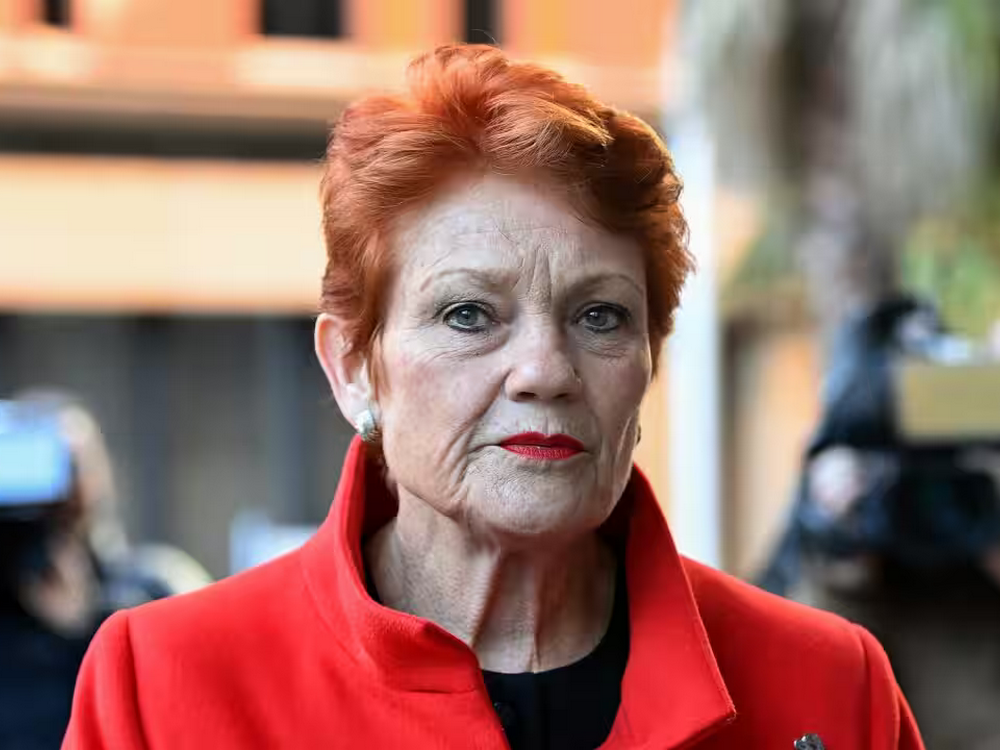
Pauline Hanson once again finds herself at the centre of political attention, with her name guaranteed to trigger strong reactions across the country. Few Australian politicians divide opinion as sharply as Hanson, and her latest move or remarks have already reignited the familiar debate around immigration, identity and the direction of national politics.

For supporters, Hanson remains a blunt outsider who says what others are too afraid to say. For critics, she is a polarising figure who thrives on confrontation and controversy. That contrast is exactly why every new appearance by Hanson still cuts through in Australian public life.

Her return to the spotlight is also a reminder that One Nation remains a force, even when it is not dominating headlines every day. Hanson has built her political brand on frustration, grievance and direct messaging, and that formula continues to attract attention whenever she steps forward with a fresh attack or warning.

Pages: 1 2

Advertisement

Albanese takes a risky gamble on housing as he breaks election promise

Anthony Albanese has sparked a fresh political backlash after moving to overhaul Australia’s housing tax settings, in a step that appears to cut across a promise Labor made during the election campaign. The Prime Minister is now arguing that the shift is necessary to give younger Australians a fairer shot at owning a home.

The plan centres on changes to long-standing tax breaks that have helped shape Australia’s property market for decades. That includes the politically sensitive debate over capital gains tax and negative gearing, two issues that have become lightning rods in the fight over housing affordability. For Albanese, the pitch is simple: the system has tilted too far in favour of investors, and first-home buyers have been left behind.

But the timing could hardly be more dangerous. Housing remains one of the most emotionally charged issues in the country, with soaring prices and rental stress already putting pressure on households. Any move that looks like a broken promise is bound to trigger fierce criticism, especially when it touches such a sensitive part of the economy.

Albanese has framed the changes as a matter of fairness, insisting young Australians deserve a “fair crack” at home ownership. That message may play well with voters who feel shut out of the market, but it also opens him up to accusations that he is rewriting the rules after winning office.

Opponents are already sharpening their attack, arguing that the government is trying to dress up a political retreat as a reform agenda. For them, this is not just about tax policy. It is about trust, credibility and whether the Prime Minister is prepared to walk away from a clear pre-election commitment when the pressure gets too high.

Pages: 1 2

Advertisement

A quiet but significant shift is occurring in the way chronic health conditions are managed in Australia, with structured, supervised exercise programs moving from the margins of treatment to a central role in care plans for conditions such as type 2 diabetes, osteoarthritis, heart disease and depression. Accredited exercise physiologists, physiotherapists and specially trained fitness professionals are working alongside general practitioners and specialists to design individualised movement prescriptions that address the specific pathophysiology of each condition while respecting the person’s capabilities and preferences. The growth of these programs reflects both accumulating scientific evidence and a cultural change in how patients and clinicians think about the medicine of movement.

The rationale is grounded in a substantial body of research. For individuals with type 2 diabetes, appropriately prescribed exercise improves insulin sensitivity and glycaemic control, often reducing the need for medication escalation. People with knee and hip osteoarthritis experience reductions in pain and improvements in function that rival or exceed those achieved through common surgical interventions, without the associated risks. Cardiac rehabilitation programs built around progressive exercise are among the most cost-effective interventions in the entire health system, substantially lowering the risk of subsequent heart attacks. For those living with depression, the psychological benefits of regular, supported physical activity are well documented, with some studies suggesting effects comparable to those of antidepressant medication for mild to moderate cases.

The programs are not about generic advice to take a walk. They involve careful assessment of baseline function, consideration of any contraindications, and graduated progression monitored by qualified professionals. A person with heart failure, for instance, begins with very gentle activity within a safe range of cardiovascular response, building endurance over many weeks in a controlled environment. An older adult at risk of falls works through balance and strength exercises that target the specific deficits identified in an initial assessment. This individualised, dose-measured approach is what distinguishes therapeutic exercise from general fitness advice and what allows it to be safely integrated into the management of complex, multi-morbid patients.

Pages: 1 2

Advertisement

The aged care sector in Australia is confronting a workforce crisis that, despite significant new government funding and regulatory changes flowing from the Royal Commission, continues to erode the quality and reliability of care. Providers report chronic shortages of registered nurses, enrolled nurses and personal care workers, with some residential facilities operating at staffing levels that make it impossible to meet the new mandated care minutes without relying on agency staff and overtime. The situation is most acute in regional and remote areas, where recruitment difficulties are compounded by a lack of affordable housing and limited opportunities for workers’ partners and families.

The roots of the workforce shortage run deep. Wages in the care sector have historically lagged behind those in hospitals and other health settings, in large part because aged care work has been undervalued as an extension of unpaid domestic and caring labour traditionally performed by women. The Fair Work Commission’s decision to award a significant wage increase to aged care workers was a landmark moment, but the sector is still grappling with the implementation and funding of that increase, and the gap with acute care wages remains. Many workers who left the profession during the pandemic never returned, having found less demanding and better-paid roles in retail, hospitality or disability support.

The quality consequences for residents are tangible. When staffing is inadequate, assistance with eating, bathing and mobility becomes rushed or delayed. The psychosocial care that gives life in a residential facility its dignity and warmth, conversation, music, time spent outdoors, is often the first thing to be sacrificed when rosters are tight. Families report seeing a decline in their loved ones’ wellbeing that is not attributable to any single clinical failure but to a pervasive sense of neglect that gnaws at the spirit. The new quality standards, while strong on paper, are only as effective as the workforce available to implement them.

Pages: 1 2

Advertisement

The periodic revision of Australia’s dietary guidelines has become a lightning rod for competing scientific, commercial and cultural interests, with the spotlight this time falling squarely on the role of ultra-processed foods in the nation’s diet. The expert committee tasked with updating the guidelines is sifting through a vast and often contradictory body of evidence, attempting to weigh the convenience and affordability of packaged, industrially formulated products against mounting data linking high consumption of such foods to obesity, type 2 diabetes, cardiovascular disease and certain cancers. The outcome could influence everything from school canteen menus and hospital meal services to the information displayed on food packaging.

Ultra-processed foods, defined by the NOVA classification system as formulations of ingredients, many of which are not typically used in home kitchens, now account for more than forty per cent of the average Australian’s energy intake. Breakfast cereals, flavoured yoghurts, reconstituted meat products, frozen pizzas and sugary drinks are staples of shopping trolleys, and their share of the food supply has grown steadily over decades. Nutrition scientists argue that the problem is not simply the sugar, salt and fat content of these products but the displacement of minimally processed whole foods such as vegetables, legumes, fruits and wholegrains, and the cumulative effect of additives, altered food matrices and rapid energy intake on metabolic health.

The food industry has pushed back vigorously against the framing of ultra-processed foods as inherently harmful. Industry submissions to the guidelines review argue that the NOVA classification is overly broad and fails to distinguish between nutritious fortified products, such as high-fibre breakfast cereals and plant-based meat alternatives, and nutritionally poor confectionery and soft drinks. They contend that a focus on processing rather than nutrient composition risks confusing consumers and could stigmatise convenient, affordable products that help time-poor families put meals on the table. The scientific debate has become deeply technical, with epidemiologists presenting large cohort studies and industry commissioning counter-analyses that question the strength and independence of the associations.

Pages: 1 2

Advertisement

Newer Posts
logo-new-new

Contact information

Fluid Lecture Pty Ltd

278 Flinders Ln, Melbourne VIC 3000, Australia

+61421962533

[email protected]

Disclaimer

THIS IS AN ADVERTISEMENT AND NOT AN ACTUAL NEWS ARTICLE, BLOG, OR CONSUMER PROTECTION UPDATE.

This page contains paid promotional content relating to the product or service referenced above. It is not an independent news report, editorial review, or consumer investigation.

Any references to public figures, political figures, media personalities, companies or organisations are provided for contextual purposes only. Unless expressly stated and independently verifiable, no endorsement, association, approval or commercial relationship is implied.

Where this page discusses health, financial, legal or other specialist matters, the information is provided for general information only and should not be treated as professional advice.

This page may contain commercial links or links to third-party websites. Product information, pricing, availability, delivery terms, returns conditions and any applicable promotional terms should be reviewed on the merchant’s website before making a purchase or submitting an enquiry.

All rights reserved © 2026