Home News
Category:

News

Advertisement

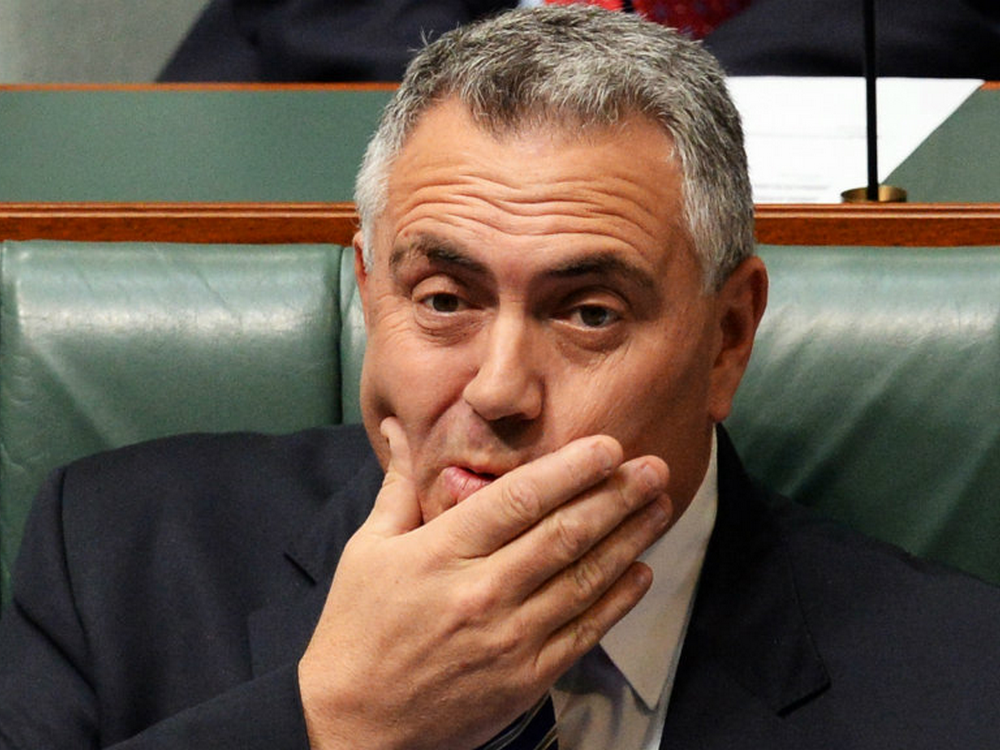
Former Coalition Treasurer Joe Hockey has declared the unprecedented collapse of Australia’s major political parties “completely predictable,” as a bombshell new poll puts One Nation at the top of the leader board.

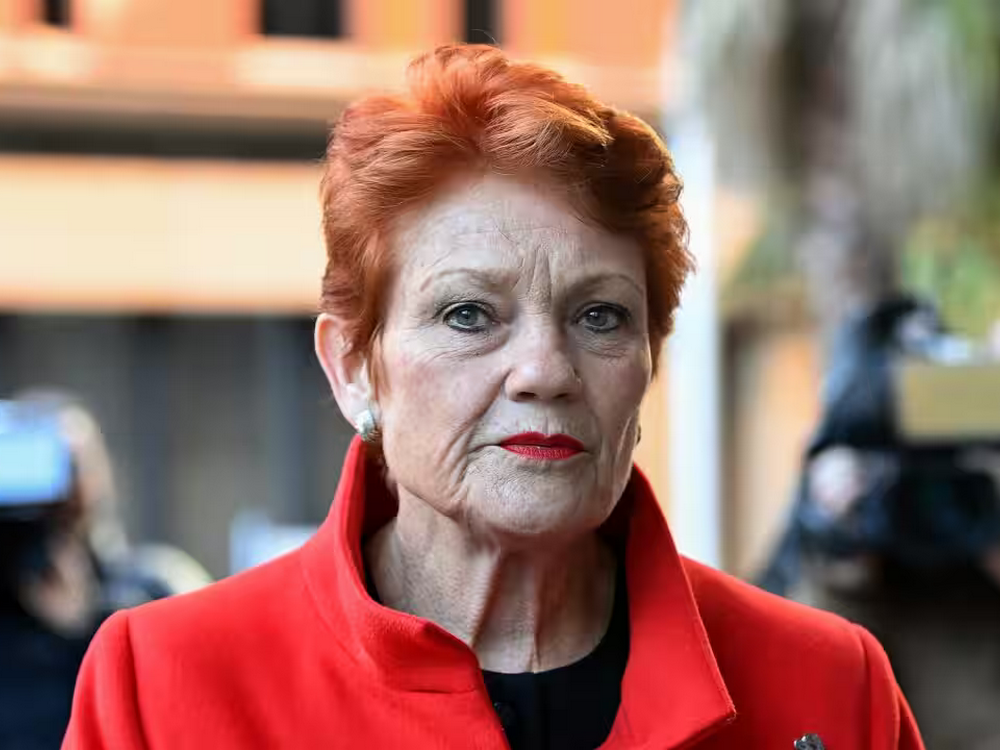
According to a stunning Redbridge/Accent poll, Pauline Hanson’s One Nation has surged to 31 per cent, leaving Labor trailing at 28 per cent and the Coalition languishing at just 20 per cent.

Speaking to Sky News, Hockey said everyday Aussies are absolutely fed up with the political establishment in Canberra.

“It’s pretty predictable—there’s a lot of anger in the community,” Hockey said. “People don’t want the status quo; they don’t want the same old behaviour from political leaders; they want change.”

Tax reforms backfire on Labor

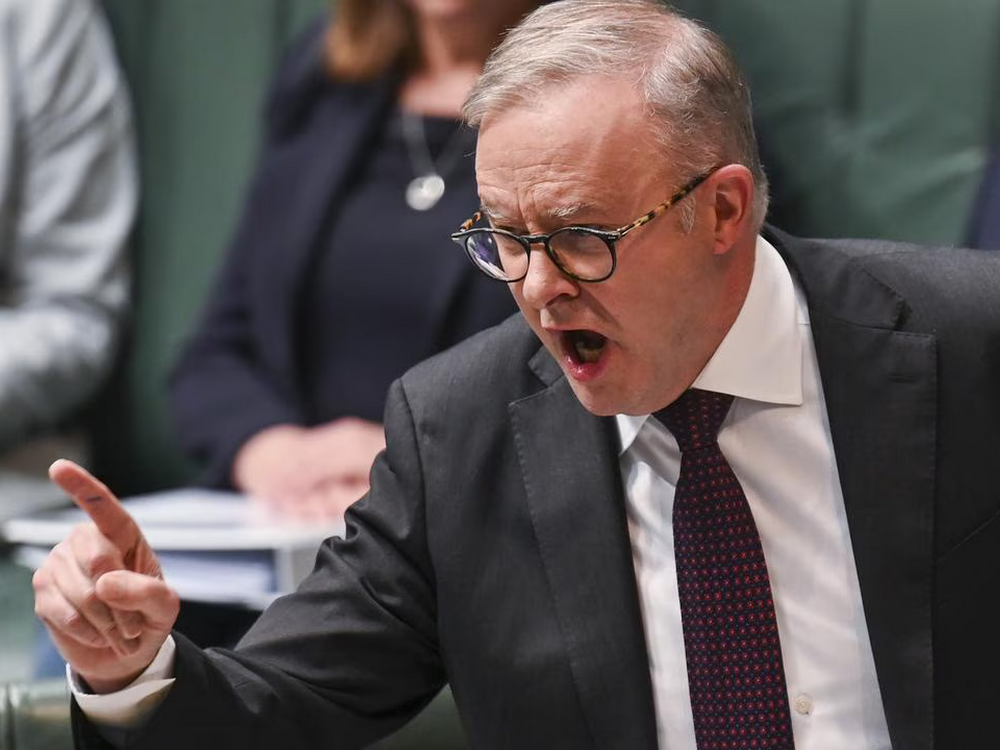
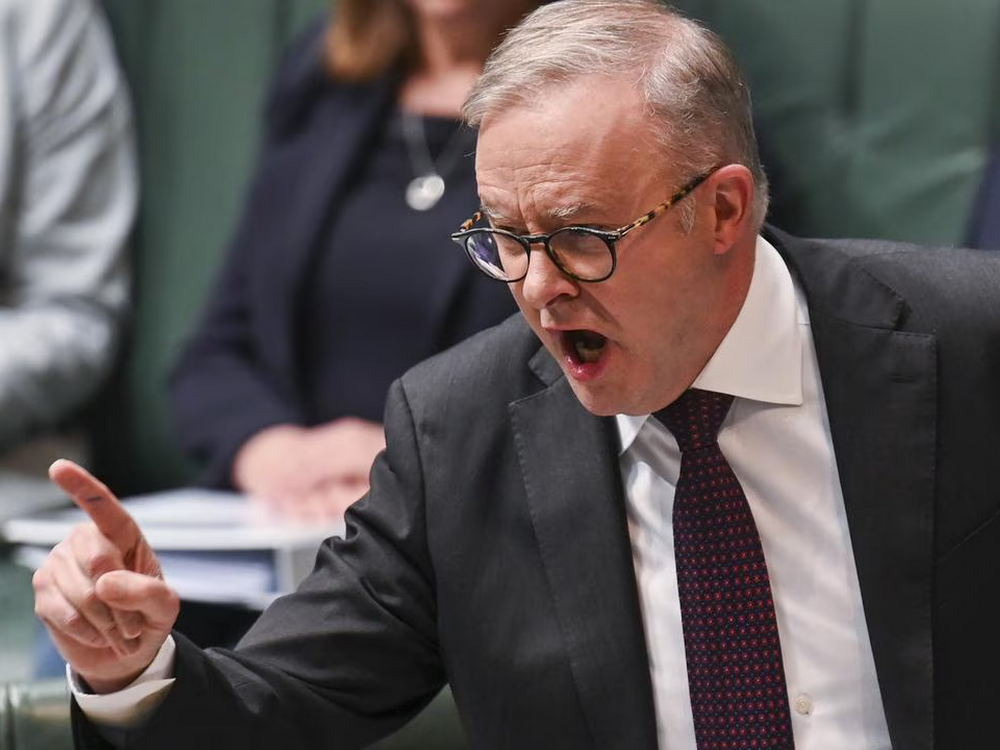
The poll results are a massive blow for Prime Minister Anthony Albanese. Even after launching controversial changes to negative gearing and capital gains tax (CGT) concessions to win over voters, Labor actually dropped three points post-budget.

Treasurer Jim Chalmers’ new budget binned the traditional 50 per cent CGT discount, replacing it with an inflation-adjusted model capped at a minimum 30 per cent tax rate.

Hockey warned this new tax bite is a disaster for Australia’s economy, threatening to drive homegrown Aussie startups straight into the arms of global rivals like Singapore and New Zealand. Just recently, NZ Finance Minister Nicola Willis went on a charm offensive, pitching New Zealand as a “great place to do business” with zero tax on capital gains.

“If you’re risking your time, effort, and money to start a business, and you end up giving half of your success to the government, you’re going to look at other options,” Hockey warned.

Pages: 1 2

Advertisement

Prime Minister Anthony Albanese is facing a proper roasting from the Coalition after fresh analysis revealed he raked in more than $200,000 using the exact same capital gains tax (CGT) loopholes his government is trying to scrap for future generations.

Talk about a golden handshake. While Labor is busy telling everyday Aussies that the current tax system is “unfair” and needs an overhaul, the PM has been quietly laughing all the way to the bank, saving a cool $209,427 thanks to the Howard-era 50% CGT discount. Under Labor’s proposed new rules, that discount is getting the chop and being replaced by a complex indexed model.

Albo’s Property Goldmine

The Coalition crunched the numbers on the PM’s personal property portfolio between 2012 and 2022, and it turns out Albo knows exactly how to play the Great Australian Dream:

  • The Marrickville smash hit: Bought for $1.12 million in 2012, sold in 2021 for $2.35 million. That’s a tidy $1.2 million capital gain.

  • The Dulwich Hill earner: An investment property copped for $1.18 million in 2015 and flipped in 2024 for $1.75 million—pocketing $575,000.

  • The Canberra unit: Snagged way back in 1996 for just $162,000 and sold in 2022 for $662,500. A cool $500,500 profit.

“Denying younger Aussies a fair go” Opposition Leader Angus Taylor didn’t hold back, calling the findings a textbook case of rank hypocrisy. “Many Australians, including those in Labor, got ahead because this country once rewarded aspiration, investment and hard work,” Taylor said. “Now Labor is pulling the ladder up behind them and denying younger Australians those same opportunities.”

Pages: 1 2

Advertisement

Matt Comyn is right back in the thick of the global power play — and this time, he’s ruffling feathers far beyond the trading floor.

The Commonwealth Bank (CBA) chief executive has just thrown a massive cat among the pigeons in Australia’s corporate landscape. Speaking at CBA’s high-stakes Accelerate AI conference in Sydney, where he shared the stage with OpenAI’s Sam Altman, Comyn did what few corporate titans dare to do: he looked the workforce dead in the eye and refused to offer false reassurance about the future of their jobs.

“Pretending every role can be preserved would not be fair. Pretending otherwise does not protect workers — it only ensures they are surprised later.”
— Matt Comyn, CBA CEO

While most CEOs are still hiding behind vague PR fluff about “technological synergy,” Comyn is playing a much sharper game. He has openly warned that AI will inevitably lead to smaller teams and job losses across the entire Australian economy.

Pages: 1 2

Advertisement

Sarah Ferguson is once again at the centre of public attention as questions grow over where she will live next and how she plans to rebuild her life after a fresh wave of royal fallout. Reports say the former Duchess of York has been weighing her options overseas while the deadline to leave Royal Lodge approaches, with sources suggesting she is looking for a way to move forward independently and away from the constant pressure surrounding her royal connections.

For Ferguson, the issue is no longer only about a change of address. It has become a much larger question about reputation, income, public standing and whether she can find a stable role outside the royal orbit. After decades of dramatic headlines, attempted reinventions and public comebacks, she now appears to be facing one of the most difficult resets of her life.

The situation has become even more complicated after the latest Epstein-related revelations triggered renewed scrutiny of her past associations. In February, BBC and CNN reported that six companies linked to Ferguson were being dissolved, a development that followed fresh attention on her connection to Jeffrey Epstein and the wider damage to her public image.

That timing has made the story especially damaging. At a moment when Ferguson might have hoped to present herself as independent, resilient and commercially active, the focus has instead shifted back to controversy. Questions about her business interests, charitable work and future living arrangements have all come together at once, creating a sense that the former royal figure is entering a far more uncertain phase.

For many years, Ferguson managed to maintain a complicated but visible public profile. She was often portrayed as one of the more accessible and emotionally open figures connected to the royal family, someone who had survived scandal before and still found ways to remain in the public eye. That reputation for resilience helped her return repeatedly after difficult periods.

But this latest chapter feels different. The pressure is not just personal but reputational. Charities, commercial partners and media opportunities are often sensitive to public perception, and Ferguson’s name is now once again being discussed in connection with stories that many institutions would rather avoid. Even if she is not accused of wrongdoing in the latest coverage, the association alone has become a serious obstacle.

Pages: 1 2

Advertisement

Penny Wong has once again become one of the most important voices in Australian politics, with her role as Foreign Minister putting her at the centre of the country’s most sensitive international decisions. From China and the Pacific to the United States and AUKUS, Wong has built her reputation as the minister who speaks carefully but acts decisively.

Her influence is especially clear because foreign policy has become one of the Albanese government’s most important pressure points. Australia is trying to balance security ties with Washington, a difficult relationship with Beijing, and growing expectations across the Pacific region, where sovereignty and climate issues matter more than ever.

What makes Wong such a powerful political figure is that she rarely sounds theatrical, but her words still land hard. She has positioned Australia as a country that wants stable regional ties, while also insisting that sovereignty and the rules-based order must be respected. That makes her a key figure in some of the biggest strategic debates facing Canberra right now.

Pages: 1 2

Advertisement

Pauline Hanson once again finds herself at the centre of political attention, with her name guaranteed to trigger strong reactions across the country. Few Australian politicians divide opinion as sharply as Hanson, and her latest move or remarks have already reignited the familiar debate around immigration, identity and the direction of national politics.

For supporters, Hanson remains a blunt outsider who says what others are too afraid to say. For critics, she is a polarising figure who thrives on confrontation and controversy. That contrast is exactly why every new appearance by Hanson still cuts through in Australian public life.

Her return to the spotlight is also a reminder that One Nation remains a force, even when it is not dominating headlines every day. Hanson has built her political brand on frustration, grievance and direct messaging, and that formula continues to attract attention whenever she steps forward with a fresh attack or warning.

Pages: 1 2

Advertisement

Albanese takes a risky gamble on housing as he breaks election promise

Anthony Albanese has sparked a fresh political backlash after moving to overhaul Australia’s housing tax settings, in a step that appears to cut across a promise Labor made during the election campaign. The Prime Minister is now arguing that the shift is necessary to give younger Australians a fairer shot at owning a home.

The plan centres on changes to long-standing tax breaks that have helped shape Australia’s property market for decades. That includes the politically sensitive debate over capital gains tax and negative gearing, two issues that have become lightning rods in the fight over housing affordability. For Albanese, the pitch is simple: the system has tilted too far in favour of investors, and first-home buyers have been left behind.

But the timing could hardly be more dangerous. Housing remains one of the most emotionally charged issues in the country, with soaring prices and rental stress already putting pressure on households. Any move that looks like a broken promise is bound to trigger fierce criticism, especially when it touches such a sensitive part of the economy.

Albanese has framed the changes as a matter of fairness, insisting young Australians deserve a “fair crack” at home ownership. That message may play well with voters who feel shut out of the market, but it also opens him up to accusations that he is rewriting the rules after winning office.

Opponents are already sharpening their attack, arguing that the government is trying to dress up a political retreat as a reform agenda. For them, this is not just about tax policy. It is about trust, credibility and whether the Prime Minister is prepared to walk away from a clear pre-election commitment when the pressure gets too high.

Pages: 1 2

Advertisement

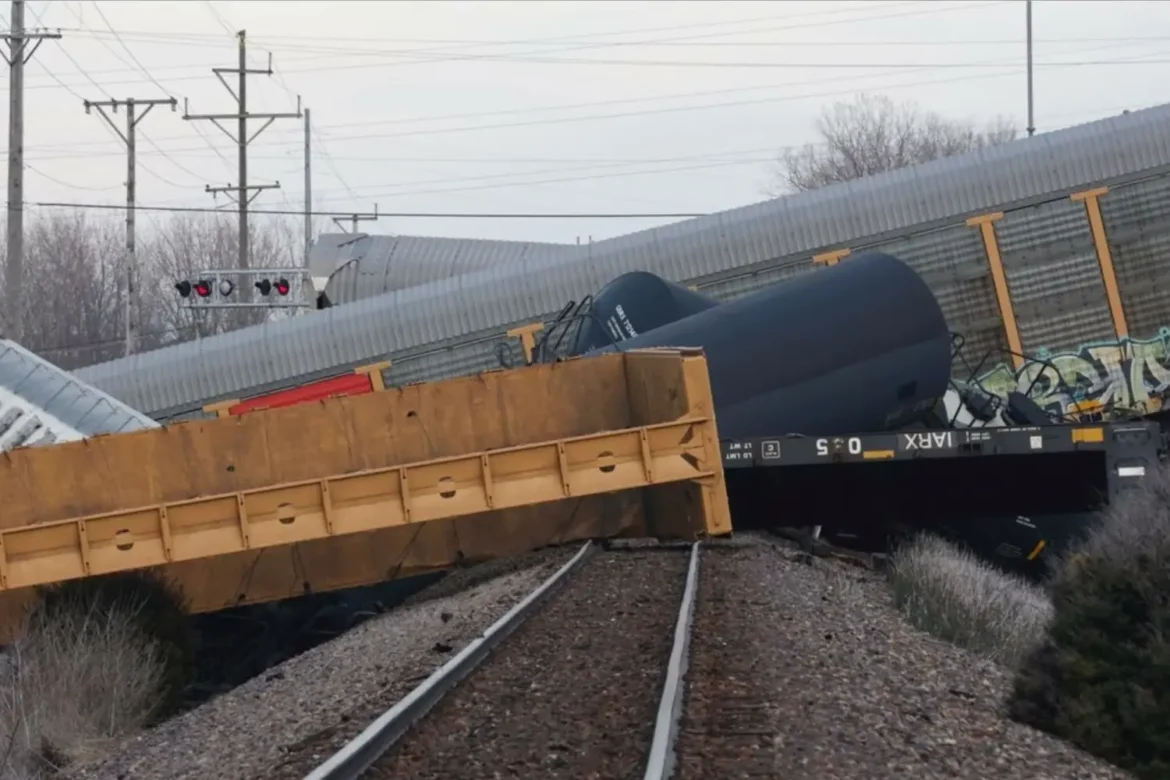
The derailment of a long-haul freight train on the vital east-west rail corridor near Broken Hill has thrown national supply chains into turmoil, stranding millions of dollars’ worth of goods and forcing logistics companies to scramble for road alternatives. In the early hours of the morning, approximately thirty wagons left the tracks, some spilling containers of consumer electronics, mining equipment and food products across a remote stretch of line. No injuries were reported, but the damage to track infrastructure was extensive, with several hundred metres of rail twisted and signalling systems destroyed. The Australian Rail Track Corporation immediately suspended all services on the line, warning that the repair effort could take weeks.

The incident severed the primary rail link between Sydney and Perth at a time when demand for freight capacity was already under pressure from a surge in online retail orders and a bumper grain harvest moving toward port. Major retailers reported delays in restocking shelves with imported goods, while mining companies that depend on just-in-time delivery of heavy machinery components faced costly downtime. The national freight industry, still adjusting to disruptions caused by recent floods and labour shortages, described the derailment as a severe shock that highlighted the fragility of land-based transport corridors.

Investigators from the Australian Transport Safety Bureau arrived at the scene within a day, deploying drones to map the wreckage and recovering data loggers from the locomotive. Early assessments focused on the condition of the track and whether the extreme heat in the preceding days had caused a buckle, a known risk for continuously welded rail in outback conditions. Fatigue management of the train crew and the loading configuration of containers were also under scrutiny, as slight imbalances can amplify forces during long journeys across uneven terrain. The investigation will ultimately inform recommendations that could reshape how freight operators manage speed, tonnage and track monitoring on remote routes.

Pages: 1 2

Advertisement

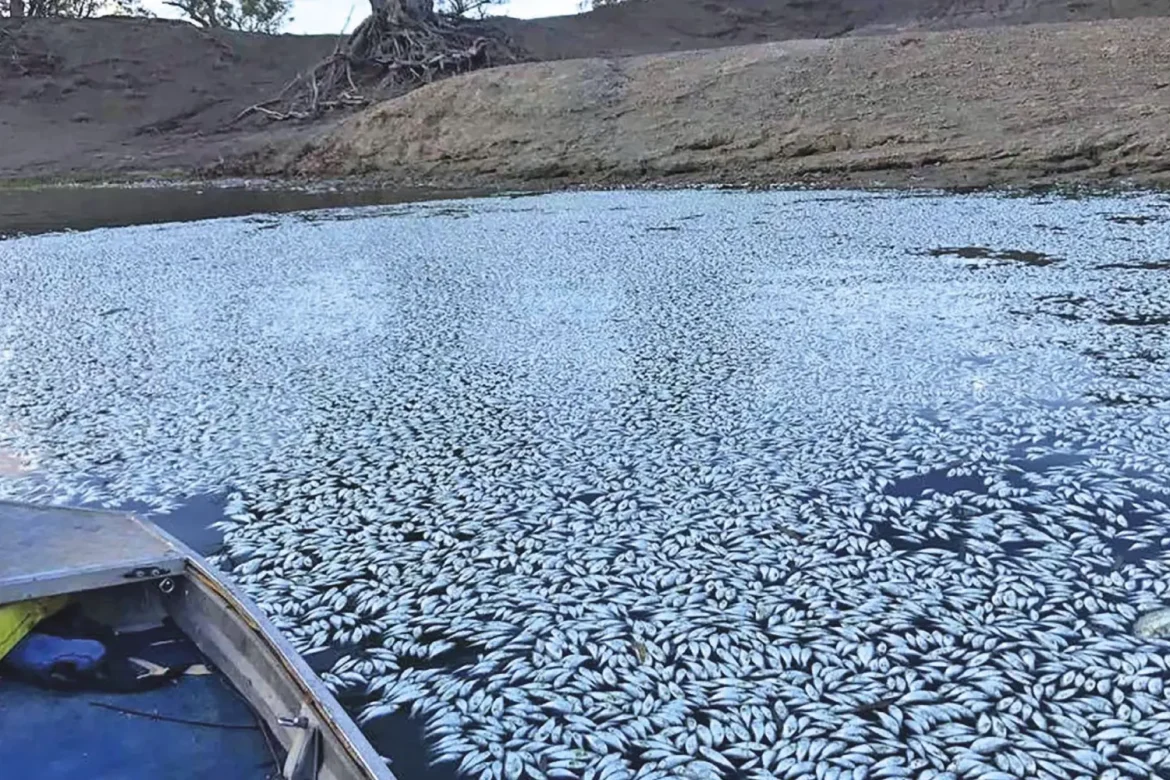
Stretches of the Darling River near Menindee have once again become the scene of ecological disaster, as millions of native fish carcasses floated to the surface following a sudden drop in dissolved oxygen levels. The event, which unfolded over a forty-eight-hour period, is among the most severe fish kills recorded in the basin and has reignited a fierce political and scientific debate about water management. Preliminary testing by the New South Wales Environment Protection Authority pointed to a combination of low inflows, high nutrient concentrations and a heatwave that rapidly warmed stagnant water, triggering an algal bloom that collapsed overnight and stripped oxygen from the water column. For local Barkandji people, the sight of sacred Murray cod and golden perch lining the banks was profoundly distressing, compounding grief over previous mass deaths in the same region.

State and federal officials scrambled to deploy aerators and release environmental water allocations in a bid to save remaining fish populations, but many scientists cautioned that these were short-term measures unable to address the structural decline of the river system. Water quality sensors showed that some sections of the river had effectively become dead zones, with oxygen saturations falling below one per cent. The scale of the kill overwhelmed clean-up crews, and residents reported an overwhelming stench that forced some families to temporarily leave their homes. Public health warnings were issued advising against contact with the water and consumption of fish from the affected area.

The root causes stretch back decades. Overallocation of water licences, combined with persistent drought conditions in the northern basin and reduced inflows from Queensland, has meant that the river’s flow is frequently insufficient to dilute nutrient runoff from agriculture. Blue-green algae, fed by excessive phosphorus and nitrogen, thrives under these conditions, creating a boom-and-bust cycle that can suffocate aquatic life when blooms die. Ecologists have warned that regular fish kills are a symptom of a system pushed beyond its resilience threshold, with implications not only for biodiversity but also for the towns and Indigenous communities whose cultural and economic lives are tied to the health of the river.

Pages: 1 2

Advertisement

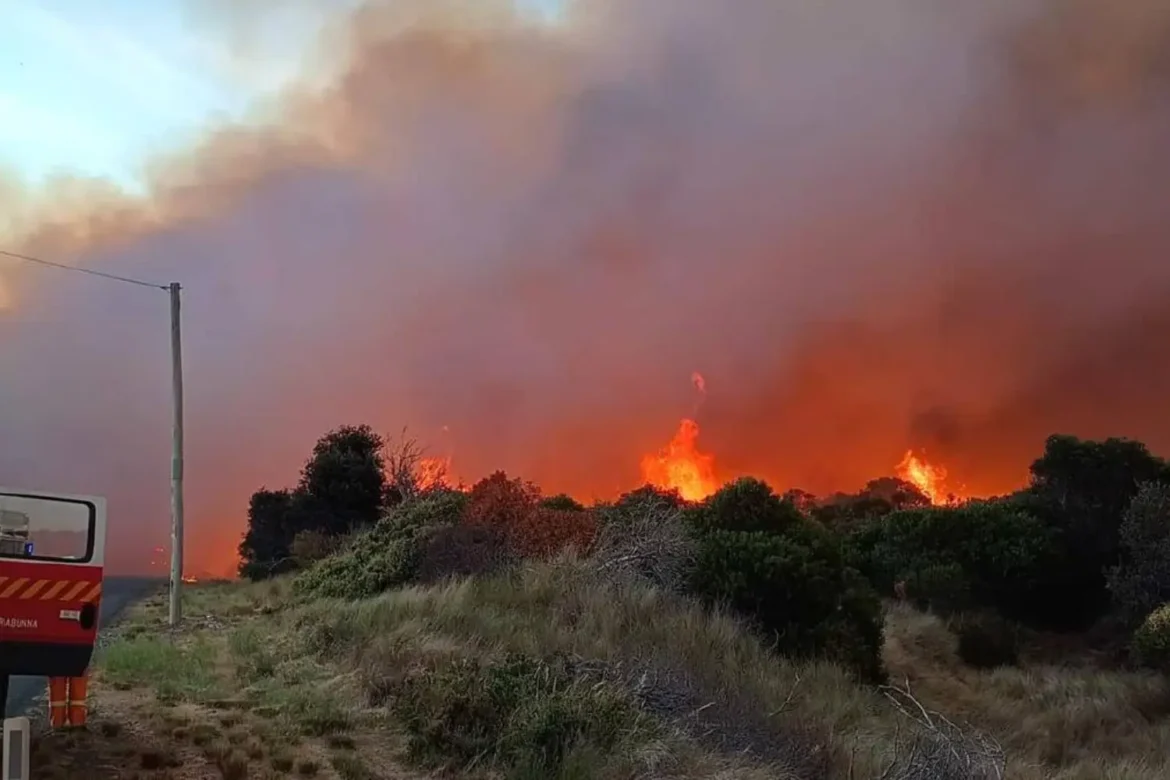
A blistering heatwave stretching from inland Western Australia through to western Victoria has pushed fire danger ratings to catastrophic levels, triggering emergency declarations across multiple states. Temperatures soared past forty-five degrees Celsius in several regional centres, with the town of Marble Bar approaching its own extreme records. The combination of fierce northerly winds, single-digit humidity and an abundant fuel load from two years of above-average rainfall created conditions that fire authorities described as among the most dangerous in recent memory. By mid-afternoon, multiple bushfires were burning out of control, some generating pyrocumulonimbus clouds that produced their own erratic weather and dry lightning strikes far ahead of the main fire fronts.

Thousands of residents in high-risk areas were told to leave well before the flames arrived, with emergency alerts broadcast in multiple languages through the national telephone warning system. Evacuation centres opened in school halls and showgrounds, staffed by volunteers from relief organisations who set up bedding, animal shelters and first-aid stations. In the Grampians region, a fast-moving fire destroyed several homes and shearing sheds, while in the wheatbelt area of Western Australia, a vast blaze consumed more than one hundred thousand hectares of cropping land and bush. Firefighters from interstate and New Zealand were placed on standby, ready to fly in as the situation escalated.

The health consequences of the heatwave added a parallel layer of crisis. Ambulance services reported a surge in call-outs for heat stress, particularly among older people and outdoor workers. Hospitals activated their heatwave protocols, opening cool wards and delaying non-urgent surgeries to keep capacity free. Public health officials urged people to check on elderly neighbours and to never leave children or pets in parked vehicles, reinforcing messages that have become depressingly routine parts of the Australian summer. The physical strain on frontline workers, many of whom were fighting fires while dealing with their own families’ evacuations, prompted renewed discussion about the sustainability of the largely volunteer-based rural firefighting model.

Pages: 1 2

Advertisement

Newer Posts
logo-new-new

Contact information

Fluid Lecture Pty Ltd

278 Flinders Ln, Melbourne VIC 3000, Australia

+61421962533

[email protected]

Disclaimer

THIS IS AN ADVERTISEMENT AND NOT AN ACTUAL NEWS ARTICLE, BLOG, OR CONSUMER PROTECTION UPDATE.

This page contains paid promotional content relating to the product or service referenced above. It is not an independent news report, editorial review, or consumer investigation.

Any references to public figures, political figures, media personalities, companies or organisations are provided for contextual purposes only. Unless expressly stated and independently verifiable, no endorsement, association, approval or commercial relationship is implied.

Where this page discusses health, financial, legal or other specialist matters, the information is provided for general information only and should not be treated as professional advice.

This page may contain commercial links or links to third-party websites. Product information, pricing, availability, delivery terms, returns conditions and any applicable promotional terms should be reviewed on the merchant’s website before making a purchase or submitting an enquiry.

All rights reserved © 2026