
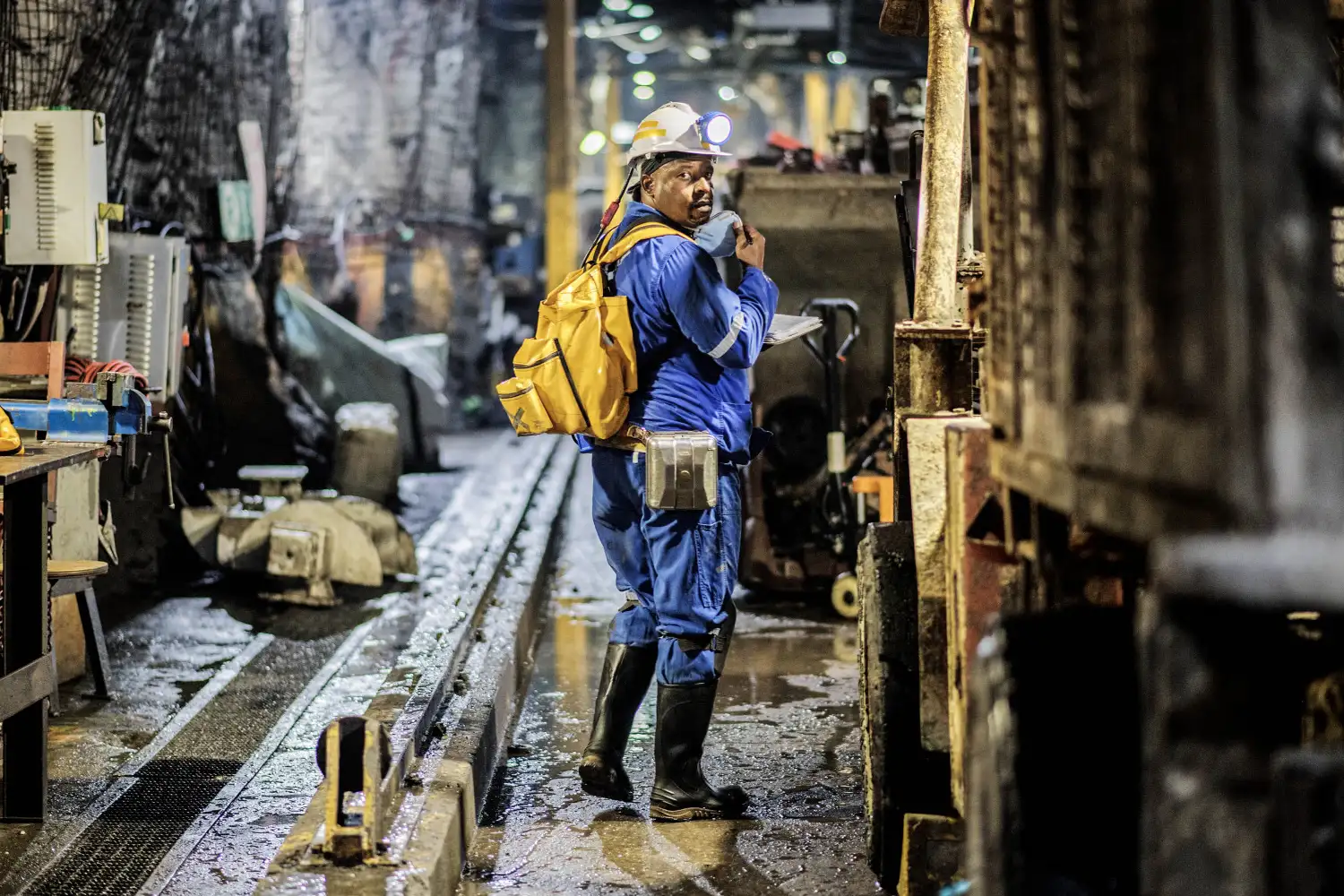
Australia’s resources industry is contending with a paradox that reflects both its economic importance and the shifting dynamics of the national workforce. Export revenues from iron ore, coal, gas and critical minerals remain robust, buoyed by demand from Asia and the global energy transition. Yet the very companies responsible for extracting and shipping these commodities are struggling to find enough skilled workers to maintain production targets and meet contractual obligations. The labour shortfall spans geologists, heavy diesel fitters, electricians, truck drivers and process engineers, and it is being felt from the Pilbara to the Bowen Basin and the copper projects of South Australia.
Advertisement
Several forces have converged to create the bottleneck. The extended border closures during the pandemic disrupted the flow of overseas workers on temporary skilled visas that the industry had relied on for years. At the same time, the high wages on offer in mining have not been sufficient to lure enough Australians away from metropolitan areas and other industries, particularly when the lifestyle trade-offs of fly-in, fly-out work are considered. Younger workers in particular are showing a preference for roles that offer stability, urban amenities and alignment with environmental values, making the fossil fuel segments of the sector a harder sell. The strong public infrastructure pipeline has also siphoned off skilled labour into civil construction projects closer to home.
The consequences are being felt operationally. Some mining companies have lowered their production guidance for the year, not because of geological constraints or weak prices, but simply because they cannot run equipment at full capacity. Maintenance backlogs are growing as workshops remain short-staffed, increasing the risk of unplanned downtime and safety incidents. Contractors are offering substantial sign-on bonuses and retention payments, sparking a bidding war that is inflating project costs and threatening the viability of marginal developments. The tight labour market has also empowered unions to negotiate more favourable enterprise agreements, a shift in the balance of power that marks a departure from the more employer-favourable conditions of recent decades.