
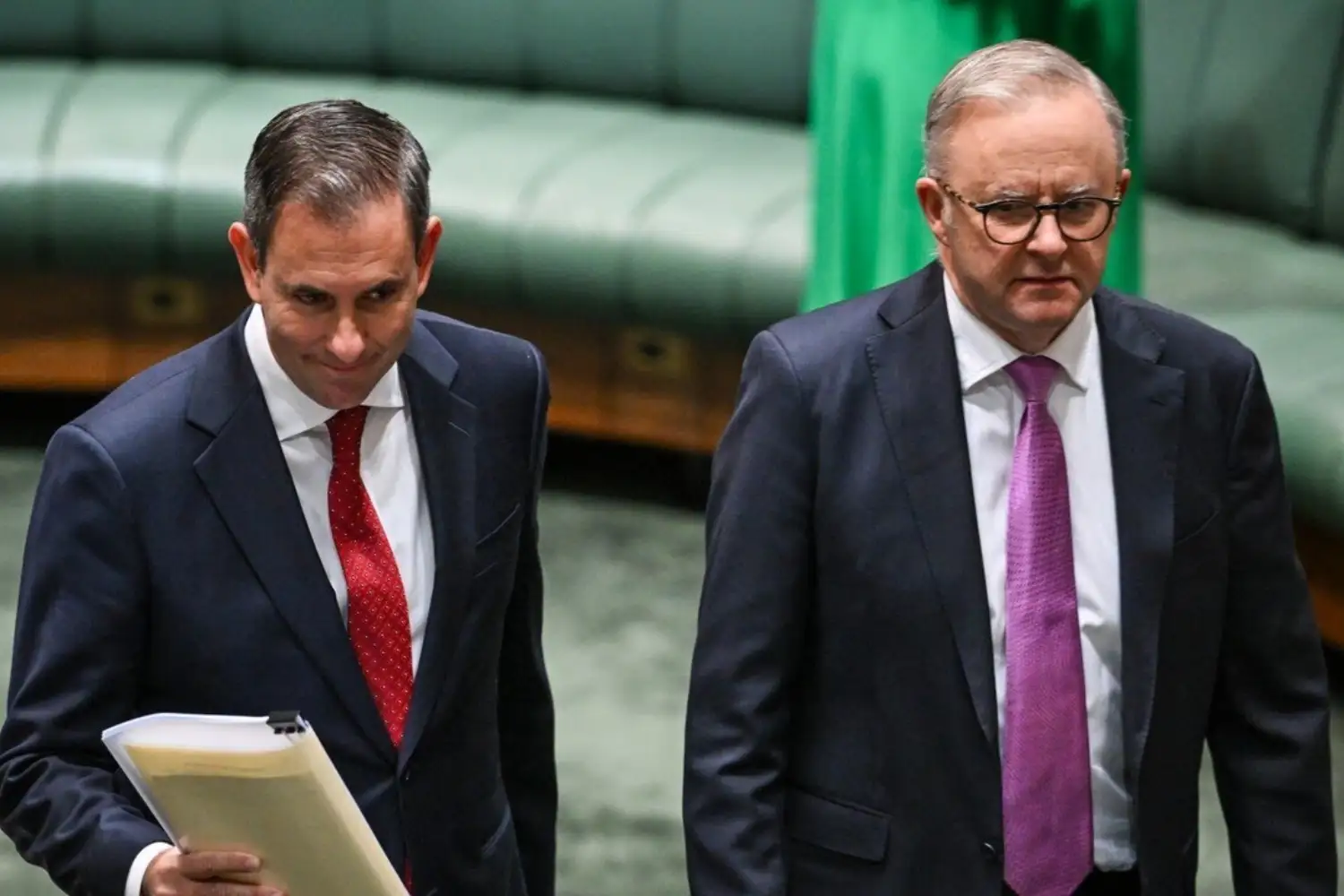
The federal government has handed down a budget that returns the nation’s finances to surplus for the first time in a decade and a half, a milestone achieved through a combination of strong commodity prices, a tight labour market boosting tax receipts and deliberate spending restraint. The Treasurer declared the surplus a responsible buffer against global economic uncertainty, positioning it as a shield rather than a trophy. Yet the immediate political contest centred not on the bottom-line number but on the choices embedded in the expenditure columns, where community services, health and education advocates pointed to what they described as missed opportunities to repair a fraying social fabric.
Advertisement
The budget’s structural detail reveals a careful balancing act. Near-term cost-of-living relief was delivered through increased rental assistance, cheaper medicines and energy bill rebates, targeted measures designed to take the edge off inflation without adding to it. Long-term investments included a significant allocation to skills and training, a down payment on the transformation of the electricity grid, and a modest boost to defence spending in line with the strategic review. The surplus itself was largely a product of upward revisions to revenue rather than deep expenditure cuts, a fact that the Opposition seized upon to argue that the government was benefiting from temporary factors while failing to exercise genuine fiscal discipline.
The health portfolio emerged as one of the most contested battlegrounds. While the budget contained funding to strengthen Medicare, including incentives for general practitioners to bulk-bill certain cohorts, peak medical bodies argued that the measures fell short of the systemic overhaul required to address hospital ramping, workforce burnout and the growing burden of chronic disease. State premiers, facing their own budgetary pressures, warned that without a substantial uplift in the federal share of hospital funding, emergency departments would continue to buckle. The shadow health minister described the package as a patch-up job that would not prevent patients from delaying care because of cost.