
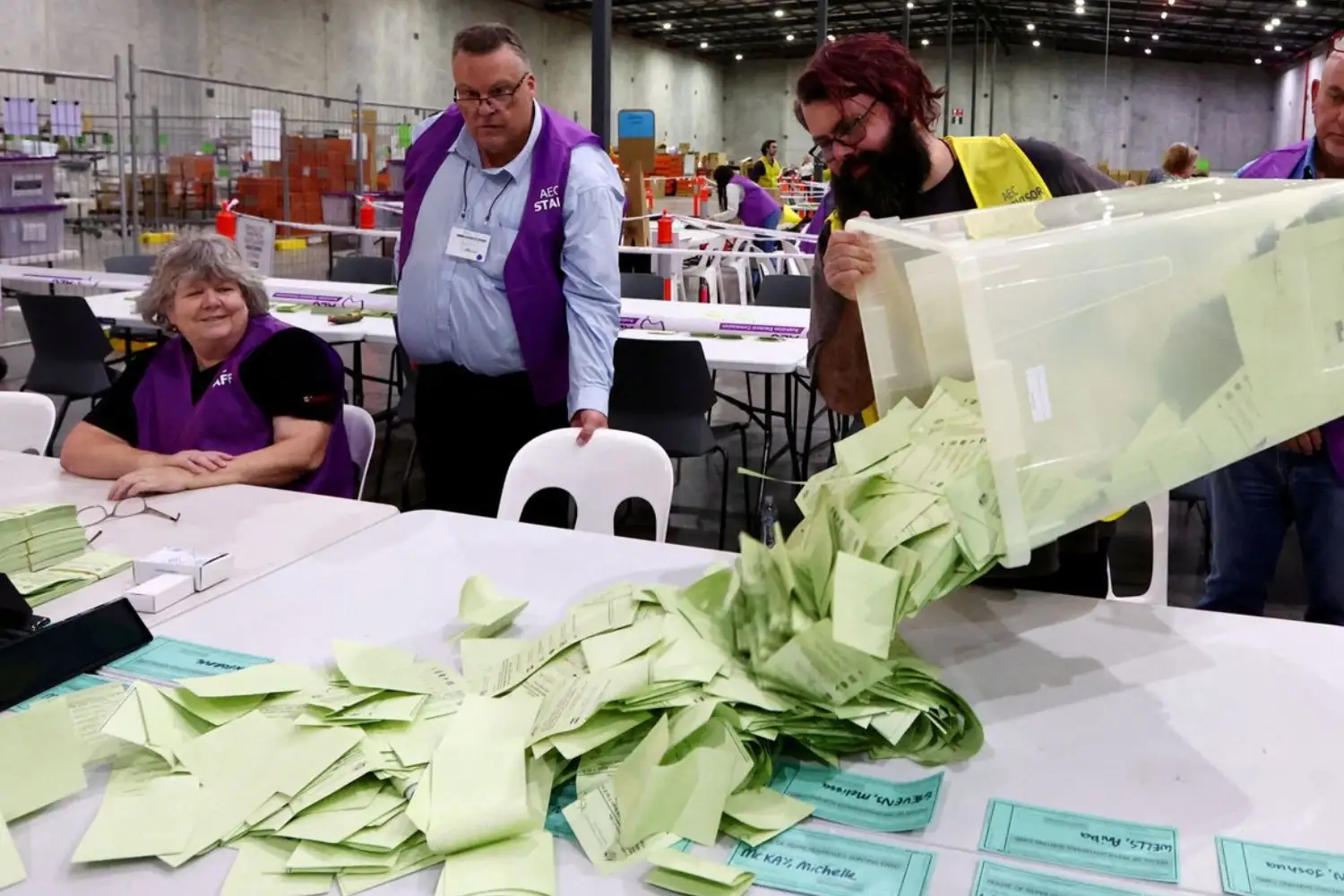
As multiple Australian states prepare to go to the polls, the campaign trails have converged around two dominant themes: the punishing squeeze of cost-of-living pressures on household budgets and the deteriorating state of public health systems. Candidates from all sides are finding that voters, regardless of their usual ideological leanings, are asking concrete questions about grocery bills, rent, energy prices and ambulance response times. The campaigns have taken on a notably pragmatic tone, with soaring rhetoric about national vision giving way to detailed, often competing, promises about immediate relief and service delivery, a reflection of an electorate that feels its living standards sliding backwards.
Advertisement
In the suburban and regional seats likely to determine the outcomes, the cost-of-living conversation has become intensely personal. Parents describe cutting back on children’s extracurricular activities, pensioners talk about skipping meals to afford medications, and young workers speak of the impossibility of ever saving a deposit. Parties are responding with a suite of proposals: upfront cash payments to concession card holders, caps on public transport fare increases, and expanded access to government-funded solar battery schemes that promise longer-term energy bill reductions. The electoral potency of these offers is being tracked through nightly focus groups, with strategists noting that credibility on household economics has become a threshold test that leaders must pass before voters will attend to other parts of their platforms.
Health is the other unignorable demand. Emergency department wait times, ambulance ramping and the difficulty of securing a bulk-billed general practitioner appointment have become visceral symbols of a system under acute strain. State governments, which carry primary responsibility for hospital management, are pointing to federal funding shortfalls while simultaneously announcing local initiatives: new urgent care clinics to divert patients from emergency departments, recruitment drives to attract overseas-trained nurses and doctors, and investments in virtual care platforms. The Opposition parties are targeting specific hospital catchments with pledges of new infrastructure and staffing ratios, and independent candidates are using health as their flagship issue to challenge incumbents in once-safe seats.